WHAT WE OFFER
Personalized Sports Programs
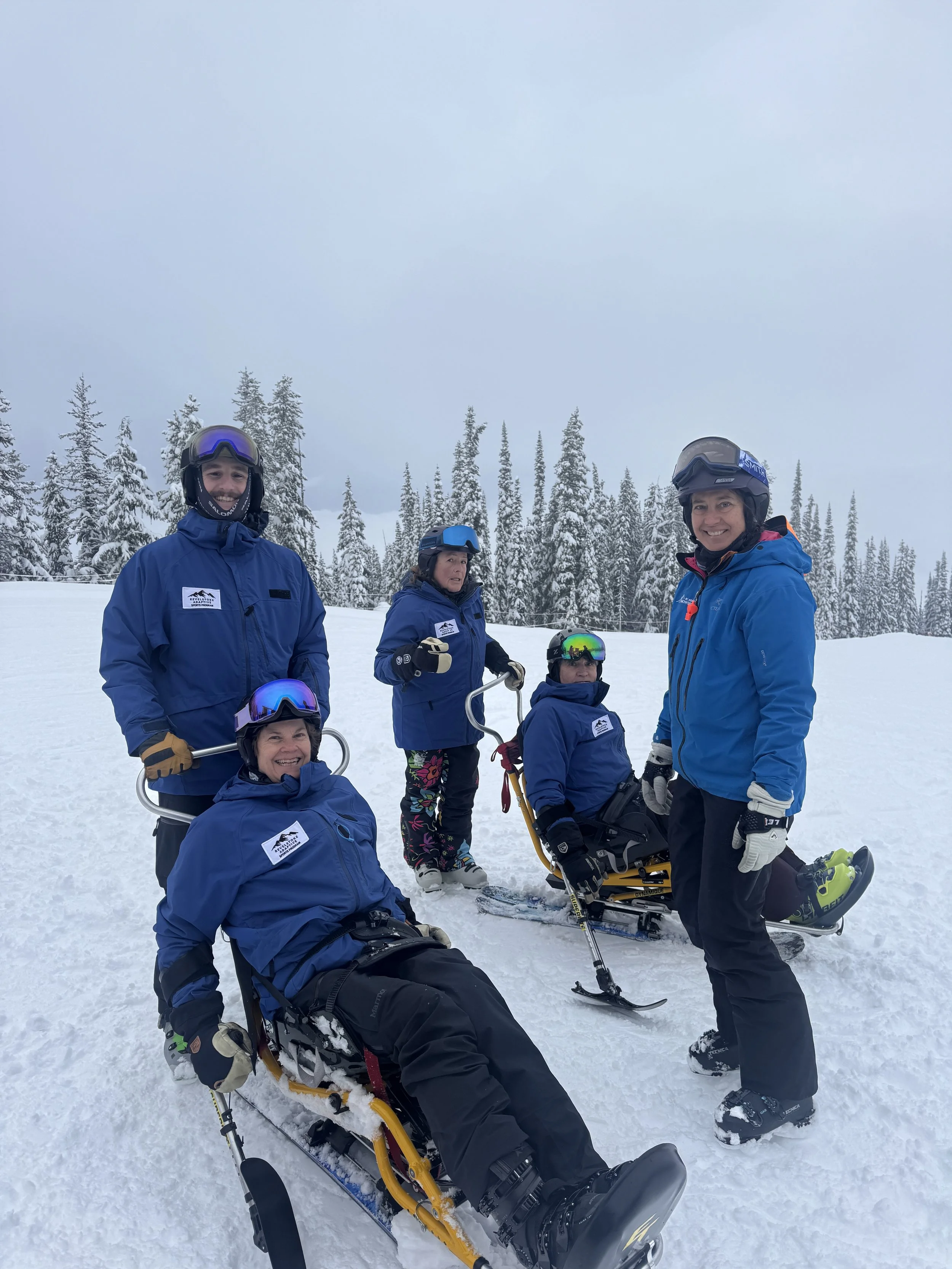
Certified Instructors Tailor Each Session to your needs
minimum 1:1 ratio
(up to 3:1 when needed)
Ensuring a Safe,
Supportive Experience.
-
![A person in winter gear riding a special ski chair on snow with mountains in the background. There is an orange sign that reads 'The Stoke Chair' with an arrow pointing to the right.]()
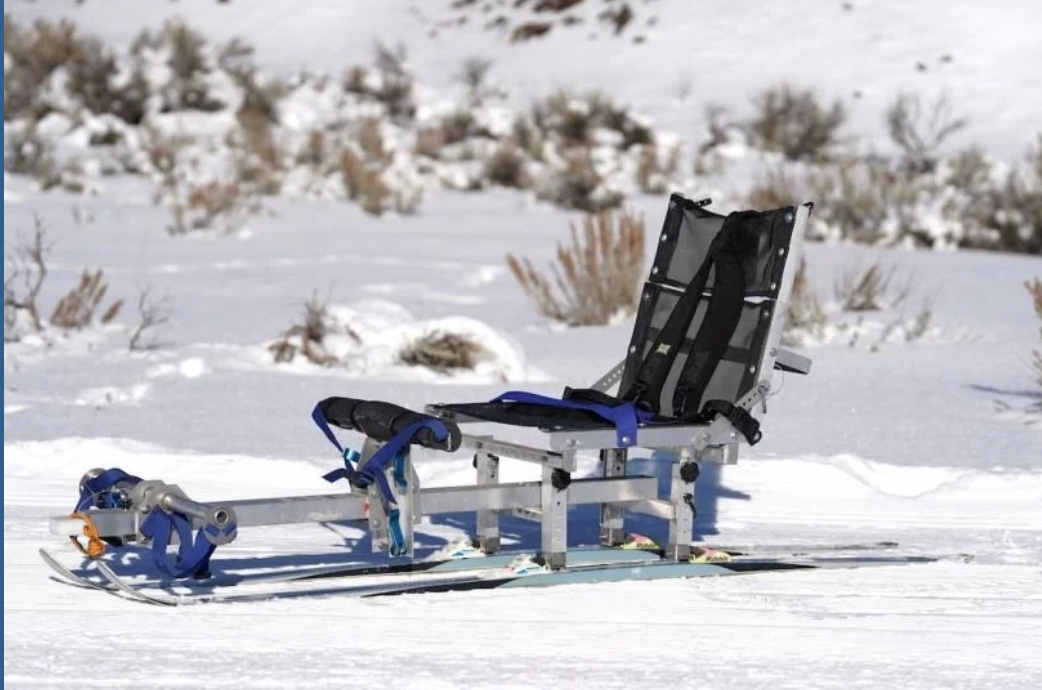
Sit ski
Sit-skiing is a popular sport for people with limited lower body strength and people who use wheelchairs, including those with paraplegia and quadriplegia, bilateral lower extremity amputations, or developmental disabilities. For those who have limited balance to hold themselves up, the sit-ski is fit to allow an instructor to maintain control of the ski
-
![Pair of ski bikes on snow, with a snowy slope in the background.]()
Snow slider
Type of stand-ski equipment that resembles a walker mounted to a pair of skis. The Snow-Slider provides student with leg, trunk support and stability for stand skiing. This equipment is tethered by an instructor and used on beginner terrain. The Snow-slider can be fine tuned to for student’s height, arm position and shoulder width and provides a solid base of support while skiing. Some participants may use the slider for physical therapy to build strength before returning to stand skiing. Participants with the following may benefit from use with the snow-slider: amputations, cerebral palsy, cerebrovascular accident, incomplete spinal cord injury, hemipeligia, traumatic brain injury, multiple sclerosis, muscular dystrophy or other orthopedic diagnoses
-
![A blind skier and a ski guide walking in a snowy area, with the guide supporting the blind skier.]()
Vision or hearing impairments
Adaptive ski or snowboard lessons for individuals with visual impairments are designed to support students who are blind or have low vision. These lessons focus on developing trust, spatial awareness, and independence on the mountain using clear verbal cues, tactile feedback, and guiding techniques. Depending on the level of vision, instructors may ski ahead, beside, or behind the student, using voice commands or Bluetooth communication systems. Some students may also ski with a tether. Terrain is selected to minimize visual complexity, and instruction emphasizes consistent, descriptive feedback and safe skiing or riding habits.
Adaptive ski or snowboard lessons for individuals with hearing impairments are adapted to support students who are deaf or hard of hearing. These lessons rely on strong visual communication, such as hand signals, demonstrations, and body language. The student always maintains visual contact with the instructor, who may lead from the front or demonstrate techniques clearly. Safety procedures and communication strategies are discussed before the lesson to ensure confidence and clarity on the mountain.
-
![A skier helping a young child learn to ski on a snowy mountain with ski lifts and other skiers in the background.]()
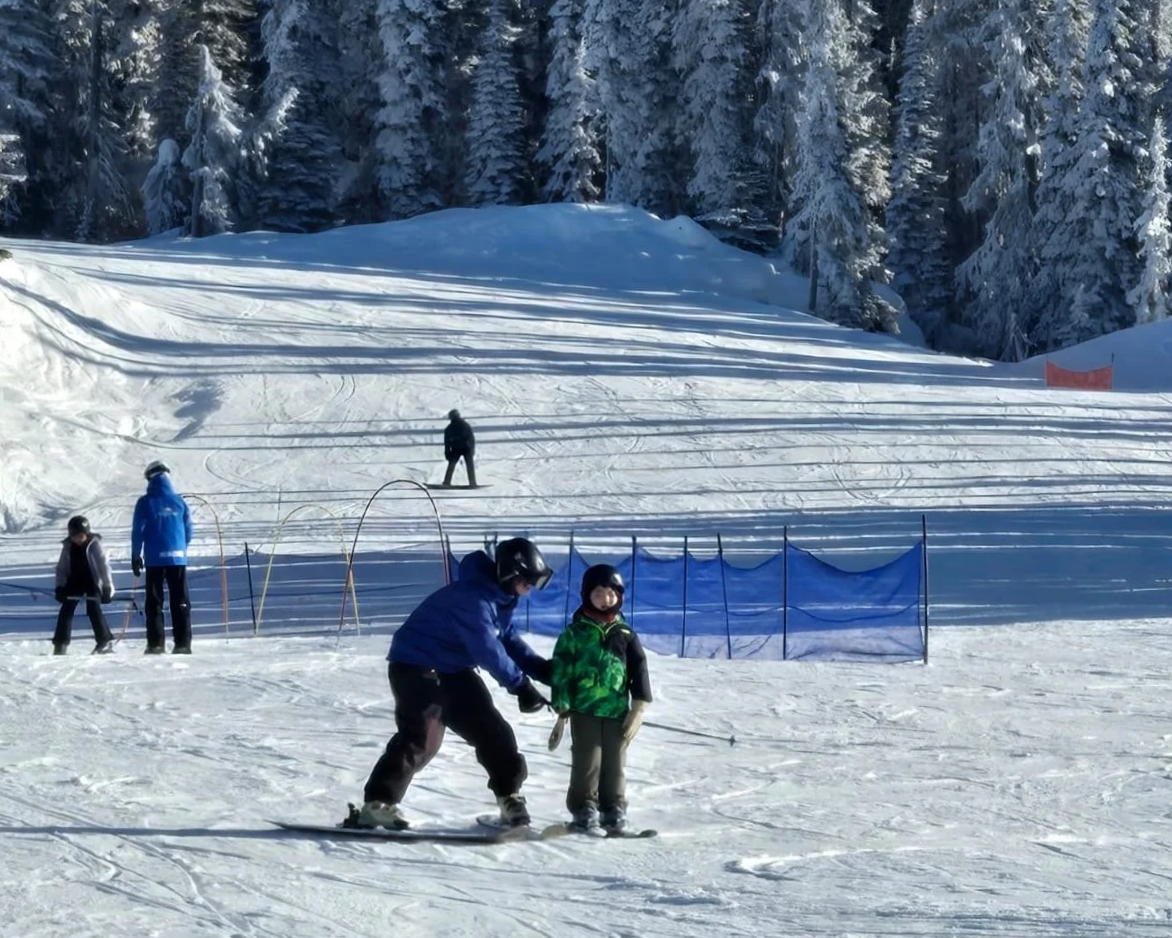
Ski or snowboard lessons
A lesson is perfect for individuals who require support from Canadian Adaptive Snowsport Instructors (CADS) while skiing or snowboarding


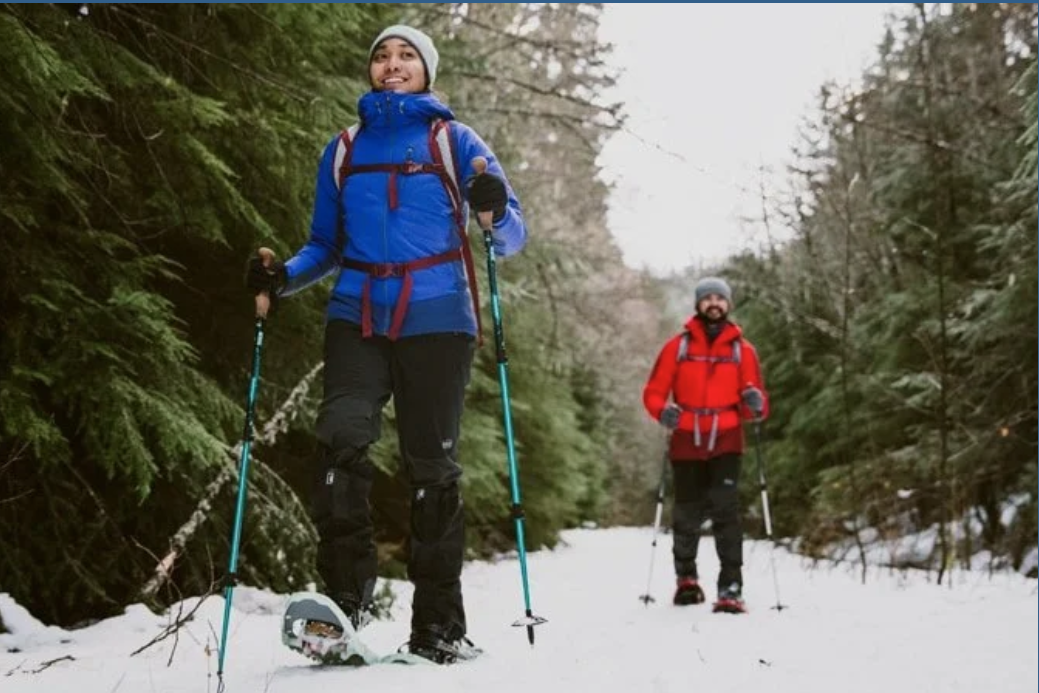
Adaptive Snowshoeing TO COME!
Adaptive Nordic Skiing TO COME!